Can PCOS Affect Fertility? Understanding the Connection and Available Treatments
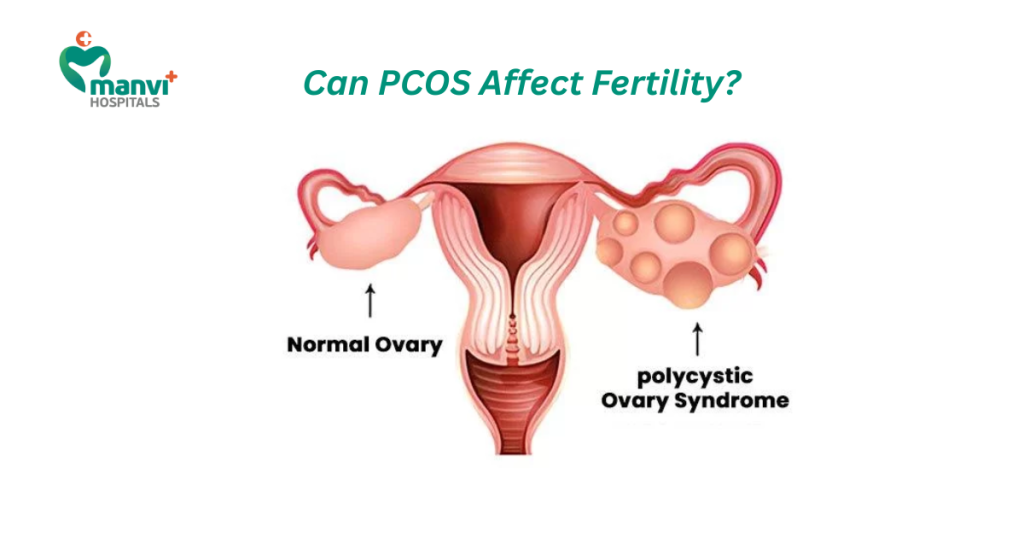 Can PCOS Affect Fertility – By Dr. Hima Bindu, Consultant Gynecologist & Obstetrician, Manvi Hospital, Vijayawada
Many women diagnosed with
Polycystic Ovary Syndrome (PCOS) often wonder,
“Will I be able to conceive naturally?” The good news is that while PCOS can affect fertility, many women with PCOS successfully become pregnant with the right medical guidance and lifestyle changes.
In this blog, we’ll explain how PCOS impacts fertility, its symptoms, treatment options, and when to seek professional help.
What is PCOS?
Polycystic Ovary Syndrome (PCOS) is one of the most common hormonal disorders affecting women of reproductive age. It occurs when the ovaries produce excess male hormones (androgens), leading to hormonal imbalance and irregular ovulation.
Common Symptoms of PCOS
- Irregular or missed periods
- Excessive facial or body hair growth
- Acne and oily skin
- Weight gain or difficulty losing weight
- Thinning hair or hair loss
- Difficulty getting pregnant
- Darkened skin around the neck or underarms
How Does PCOS Affect Fertility?
The primary reason PCOS affects fertility is that it can interfere with
ovulation, the process where an ovary releases an egg each month.
When ovulation becomes irregular or stops altogether, it becomes more difficult for pregnancy to occur naturally.
Ways PCOS Can Impact Fertility
- Irregular Ovulation
Women with PCOS may ovulate infrequently or not at all, reducing the chances of conception.
- Hormonal Imbalances
Elevated androgen levels can disrupt the normal reproductive cycle, affecting egg development and release.
- Insulin Resistance
Many women with PCOS have insulin resistance, which can contribute to weight gain and further hormonal imbalances that affect fertility.
- Poor Egg Quality
Hormonal disturbances may sometimes affect egg quality, making conception more challenging.
Can Women with PCOS Get Pregnant?
Yes. Absolutely.
Having PCOS does not mean you cannot have children. Many women with PCOS conceive naturally, while others may require medical support to improve ovulation and fertility.
With early diagnosis, proper treatment, and healthy lifestyle habits, the chances of pregnancy can improve significantly.
Read More:- Hormonal Imbalance in Women
Treatment Options for PCOS-Related Infertility
Lifestyle Modifications
For many women, even a small amount of weight loss can help restore regular ovulation.
Healthy Lifestyle Tips:
- Follow a balanced diet rich in protein and fiber
- Limit processed foods and sugary drinks
- Exercise regularly
- Maintain a healthy weight
- Manage stress effectively
- Get adequate sleep
Ovulation-Inducing Medications
Doctors may prescribe medications that stimulate ovulation and improve the chances of conception.
Insulin-Sensitizing Treatments
For women with insulin resistance, treatment may help improve hormonal balance and support regular ovulation.
Fertility Treatments
If pregnancy does not occur naturally, advanced fertility treatments may be recommended based on individual needs.
When Should You Consult a Gynecologist?
You should seek medical advice if:
- Irregular periods
- You have been trying to conceive for more than 12 months (or 6 months if over 35)
- Notice symptoms of PCOS
- Experience unexplained weight gain or hormonal changes
Early intervention can improve fertility outcomes and prevent long-term health complications associated with PCOS.
Why Early Diagnosis Matters
Untreated PCOS can increase the risk of:
- Infertility
- Type 2 Diabetes
- High blood pressure
- Obesity
- Endometrial problems
- Heart disease
Regular gynecological check-ups can help identify PCOS early and create a personalized treatment plan.
Expert Care for PCOS and Fertility at Manvi Hospital, Vijayawada
At
Manvi Hospital, Vijayawada,
Dr. Hima Bindu provides comprehensive evaluation and personalized treatment for women experiencing PCOS, irregular periods, infertility, and other gynecological concerns.
Our goal is to help women achieve better reproductive health and support them throughout their fertility journey with compassionate, evidence-based care.
Conclusion
PCOS can affect fertility by disrupting ovulation and causing hormonal imbalances. However, it is one of the most manageable causes of infertility. With timely diagnosis, lifestyle changes, and appropriate treatment, many women with PCOS successfully achieve healthy pregnancies.
If you’re experiencing irregular periods or difficulty conceiving, don’t delay seeking expert medical advice. Early care can make a significant difference in your fertility journey.


Leave a comment