Stroke: Why the Golden Hour Treatment Is So Important
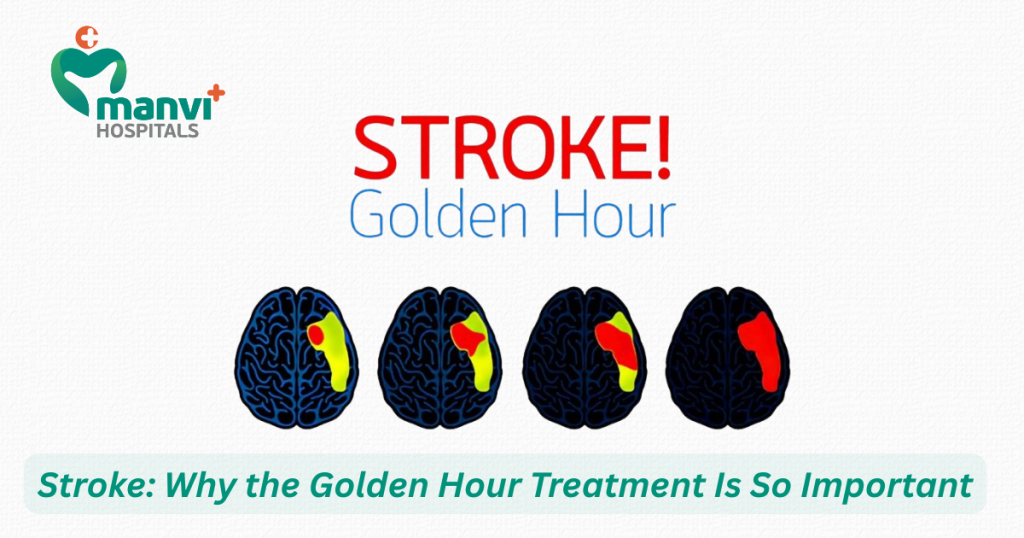
A stroke is a medical emergency that requires immediate attention. Every minute matters when blood flow to the brain is blocked or interrupted. Quick treatment during the “Golden Hour” can save brain cells, reduce disability, and even save a person’s life.
Many people ignore the early warning signs of stroke, assuming the symptoms will go away on their own. Unfortunately, delaying treatment can lead to permanent brain damage, paralysis, speech problems, or even death. Understanding the importance of the Golden Hour in stroke treatment can help families act quickly and improve recovery outcomes.
Read More:- Life After Brain Tumor Surgery
What Is a Stroke?
A stroke occurs when the blood supply to a part of the brain is interrupted. Without oxygen-rich blood, brain cells begin to die within minutes.
There are mainly two types of strokes:
- Ischemic Stroke
This is the most common type of stroke and happens when a blood clot blocks a blood vessel supplying the brain.
- Hemorrhagic Stroke
This occurs when a blood vessel in the brain bursts, causing bleeding inside or around the brain.
Both conditions require emergency medical care.
What Is the Golden Hour in Stroke?
The “Golden Hour” refers to the first few hours after stroke symptoms begin, especially the initial 60 minutes. This period is extremely critical because early treatment can significantly reduce brain damage.
Doctors often say:
“Time is Brain.”
This means that every passing minute without treatment causes brain cells to die rapidly. Fast medical intervention improves the chances of recovery and reduces long-term complications.
Why Immediate Stroke Treatment Matters
Receiving treatment during the Golden Hour can:
- Reduce brain damage
- Improve survival rates
- Lower the risk of permanent disability
- Improve speech and movement recovery
- Increase chances of independent living
- Reduce paralysis complications
In ischemic stroke cases, clot-busting medications work best when given within a limited time window after symptoms begin.
Common Warning Signs of Stroke
Recognizing stroke symptoms early can save lives. Use the FAST method:
F – Face Drooping
One side of the face may droop or feel numb.
A – Arm Weakness
The person may be unable to raise one arm properly.
S – Speech Difficulty
Speech may become slurred or difficult to understand.
T – Time to Call Emergency Services
Seek emergency medical help immediately.
Other symptoms may include:
- Sudden severe headache
- Dizziness or loss of balance
- Vision problems
- Confusion
- Numbness on one side of the body
- Difficulty walking
Risk Factors for Stroke
Certain health conditions and lifestyle habits increase stroke risk.
Common Stroke Risk Factors
- High blood pressure
- Diabetes
- Smoking
- High cholesterol
- Obesity
- Heart disease
- Excessive alcohol consumption
- Lack of physical activity
- Stress
People above 40 years of age should undergo regular health checkups to monitor these risks.
Stroke Diagnosis and Emergency Treatment
Doctors use advanced imaging tests like CT scans or MRI scans to confirm the type of stroke and begin treatment immediately.
Stroke Treatment Options May Include:
- Clot-dissolving medications
- Blood pressure management
- Emergency brain surgery
- Neurocritical care
- Rehabilitation therapy
Early diagnosis plays a major role in improving stroke recovery outcomes.
Stroke Recovery and Rehabilitation
Recovery after stroke depends largely on how quickly treatment was started.
Rehabilitation may include:
- Physiotherapy
- Speech therapy
- Occupational therapy
- Neurological rehabilitation
- Lifestyle changes
Patients who receive timely stroke treatment often recover faster and regain independence sooner.
How to Prevent Stroke
While not all strokes can be prevented, healthy lifestyle habits can greatly reduce the risk.
Stroke Prevention Tips
- Maintain healthy blood pressure
- Control diabetes and cholesterol
- Exercise regularly
- Eat a balanced diet
- Quit smoking
- Limit alcohol intake
- Manage stress effectively
- Attend regular health screenings
When Should You Consult a Neurologist?
If you or your loved one experiences sudden weakness, speech difficulty, facial drooping, or severe dizziness, do not wait for symptoms to disappear.
Immediate consultation with a neurologist or emergency stroke care team can make a life-saving difference.
Conclusion
Stroke is a life-threatening condition where every second counts. The Golden Hour is the most critical period for reducing brain damage and improving recovery chances. Recognizing symptoms early and seeking immediate medical care can save lives and prevent permanent disability.
Awareness, quick action, and timely stroke treatment are the keys to better recovery and healthier living.


Leave a comment