Best Diet and Lifestyle Changes for PCOS: A Complete Guide for Better Hormonal Health
 Best Diet and Lifestyle Changes for PCOS – By Dr. Hima Bindu, Consultant Gynecologist & Obstetrician, Manvi Hospital, Vijayawada
Understanding PCOS and Why Lifestyle Matters
Polycystic Ovary Syndrome (PCOS) is one of the most common hormonal conditions affecting women during their reproductive years. It can lead to irregular periods, weight gain, acne, excessive hair growth, difficulty conceiving, and other health concerns. While there is no single cure for PCOS, adopting the right diet and lifestyle habits can significantly improve symptoms and help women lead healthier lives.
Many women believe that medication alone can manage PCOS. However, research shows that healthy eating habits, regular physical activity, proper sleep, and stress management play a crucial role in balancing hormones and improving overall well-being.
How Diet Impacts PCOS
The food we eat directly affects hormone levels, blood sugar, and insulin function. Many women with PCOS experience insulin resistance, a condition where the body’s cells do not respond effectively to insulin. As a result, the body produces more insulin, which can increase androgen (male hormone) levels and worsen PCOS symptoms.
A balanced diet helps regulate blood sugar levels, supports weight management, and improves hormonal balance, making it an essential part of PCOS treatment.
Read More:- Can PCOS Affect Fertility
Focus on Whole and Natural Foods
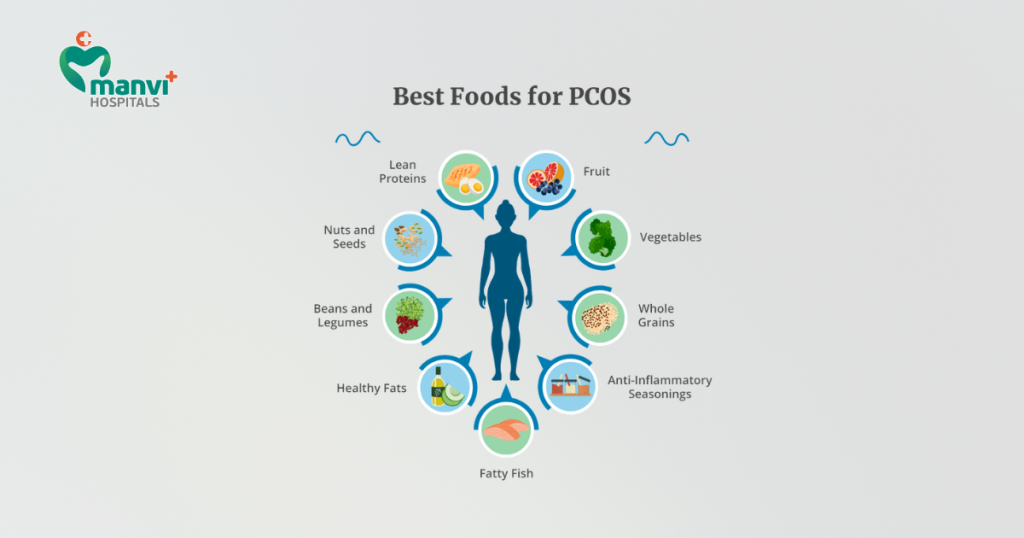
Women with PCOS benefit from consuming foods that are minimally processed and rich in nutrients. Fresh vegetables, fruits, whole grains, lean proteins, nuts, and seeds provide essential vitamins and minerals that support hormonal health.
Including colorful vegetables such as spinach, carrots, broccoli, and bell peppers can help reduce inflammation and improve metabolic health. Whole foods also provide fiber, which helps regulate blood sugar and keeps you feeling full for longer periods.
Increase Protein Intake
Protein plays an important role in stabilizing blood sugar levels and reducing cravings. Including protein-rich foods in every meal can help improve energy levels and support weight management.
Good protein sources include eggs, fish, chicken, lentils, beans, paneer, yogurt, and sprouts. A protein-rich breakfast can be especially beneficial for women with PCOS, helping them stay satisfied throughout the day.
Choose Healthy Carbohydrates
Not all carbohydrates are harmful. The key is choosing complex carbohydrates that are digested slowly and do not cause sudden spikes in blood sugar.
Foods such as brown rice, oats, millets, quinoa, whole wheat, and sweet potatoes provide sustained energy while supporting better insulin control. Replacing refined foods like white bread, pastries, and sugary snacks with healthier alternatives can make a significant difference in managing PCOS symptoms.
Include Healthy Fats in Your Diet
Healthy fats support hormone production and help reduce inflammation in the body. Including sources of healthy fats can contribute to better hormonal balance and improved reproductive health.
Foods such as avocados, nuts, seeds, olive oil, and fatty fish provide beneficial nutrients that support overall wellness. These foods should be consumed in moderation as part of a balanced diet.
Reduce Sugar and Processed Foods
One of the most effective dietary changes for PCOS is reducing the intake of sugary foods and highly processed products. Soft drinks, packaged snacks, sweets, and fast foods can increase insulin levels and contribute to weight gain.
Limiting these foods helps improve insulin sensitivity and may reduce symptoms such as irregular periods, acne, and excessive weight gain.
Stay Hydrated Throughout the Day
Drinking enough water is often overlooked but plays an important role in maintaining good health. Proper hydration supports digestion, metabolism, and energy levels.
Women with PCOS should aim to drink adequate water throughout the day while limiting sugary beverages and excessive caffeine consumption.
The Importance of Regular Exercise
Physical activity is one of the most powerful tools for managing PCOS naturally. Regular exercise improves insulin sensitivity, supports weight management, reduces stress, and promotes hormonal balance.
Activities such as brisk walking, cycling, swimming, yoga, and strength training can all be beneficial. Even 30 minutes of moderate exercise most days of the week can lead to noticeable improvements in PCOS symptoms.
Prioritize Quality Sleep
Poor sleep can negatively affect hormone levels and increase insulin resistance. Women with PCOS should aim for 7 to 9 hours of quality sleep each night.
Maintaining a consistent sleep schedule, reducing screen time before bed, and creating a relaxing bedtime routine can help improve sleep quality and support hormonal health.
Manage Stress Effectively
Stress can worsen PCOS symptoms by increasing cortisol levels, which may further disrupt hormonal balance. Finding healthy ways to manage stress is an important part of PCOS care.
Practices such as meditation, yoga, deep breathing exercises, spending time with loved ones, and engaging in hobbies can help reduce stress and improve emotional well-being.
Can Weight Loss Improve PCOS Symptoms?
For women who are overweight, even a modest weight loss of 5 to 10 percent of body weight can lead to significant improvements in PCOS symptoms. Weight loss may help regulate menstrual cycles, improve fertility, reduce insulin resistance, and lower androgen levels.
However, it is important to focus on sustainable lifestyle changes rather than extreme diets or rapid weight loss methods.
When Should You Consult a Gynecologist?
If you experience irregular periods, excessive hair growth, persistent acne, unexplained weight gain, or difficulty conceiving, it is important to seek medical advice. Early diagnosis and personalized treatment can help prevent long-term complications associated with PCOS.
A gynecologist can evaluate your symptoms, recommend appropriate investigations, and create a treatment plan tailored to your specific needs.
Expert PCOS Care at Manvi Hospital, Vijayawada
At Manvi Hospital, Vijayawada, Dr. Hima Bindu provides comprehensive care for women dealing with PCOS, hormonal imbalances, menstrual irregularities, and fertility concerns. With a patient-centered approach, she helps women achieve better hormonal health through accurate diagnosis, lifestyle guidance, and evidence-based treatment.
Conclusion
Managing PCOS requires more than medication alone. A balanced diet, regular exercise, quality sleep, proper hydration, and effective stress management can significantly improve symptoms and overall quality of life. Small, consistent lifestyle changes can have a lasting impact on hormonal balance and reproductive health.
If you are experiencing symptoms of PCOS, consult Dr. Hima Bindu at Manvi Hospital, Vijayawada, for expert guidance and personalized care.


Leave a comment