
Uterine Fibroids: Symptoms, Risks, and Treatment Options
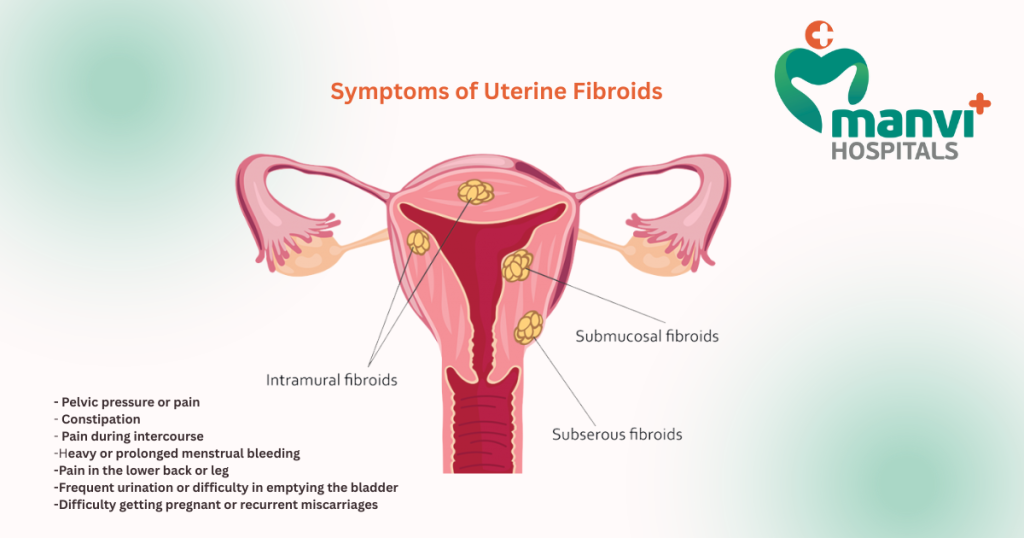
Uterine fibroids, also called leiomyomas, are non-cancerous growths that develop in the uterus. They commonly affect women between 30 and 50 years of age. Many women start searching for uterine fibroid symptoms after they notice changes like heavy periods, pelvic pressure, or difficulty conceiving. These fibroids grow from the muscular wall of the uterus and range from tiny nodules to large masses that can enlarge the abdomen. When women understand uterine fibroids and their symptoms, they can seek early care and choose the right treatment.
What Are Fibroids in the Uterus?
Fibroids form as firm lumps of muscle tissue in or around the uterus. Doctors classify uterine fibroids based on their location: intramural fibroids grow within the uterine wall, submucosal fibroids develop inside the cavity, subserosal fibroids form outside the uterus, and pedunculated fibroids attach by a stalk. The type and size of fibroids often determine both the symptoms and the treatment options.
Uterine Fibroids Symptoms Women Should Not Ignore
Some women do not experience symptoms, but many notice clear signs when fibroids grow. Common symptoms include heavy or prolonged menstrual bleeding, pelvic pain, lower back pain, frequent urination, bloating, constipation, and pain during intercourse. Fibroids can also affect fertility, especially when they distort the uterine cavity. Many women also report repeated miscarriages, abdominal swelling, and painful periods.
Risks and Complications of Fibroids
Ignoring fibroid symptoms can lead to serious complications. Heavy bleeding can cause anemia, while growing fibroids can create pressure on the bladder or bowel and lead to severe pelvic discomfort. Some women experience pregnancy-related complications, and others struggle with fertility issues. Although fibroids are non-cancerous, they can still disrupt daily life and reproductive health if left untreated.
Uterine Fibroids Diagnosis
Doctors begin diagnosis with a pelvic examination and confirm it with an ultrasound scan. In some cases, they use MRI or hysteroscopy to examine the size, number, and location of fibroids more clearly. Early diagnosis allows doctors to recommend the most effective treatment and avoid unnecessary procedures.
Fibroid Treatment Options Based on Symptoms
Treatment depends on age, symptom severity, fibroid size, and pregnancy plans.
Doctors often prescribe hormonal medications to control bleeding and pain, while iron supplements help treat anemia. For severe symptoms, they recommend minimally invasive procedures such as hysteroscopic removal or laparoscopic myomectomy.
Women who plan to become pregnant often choose myomectomy because it removes fibroids while preserving the uterus. In cases where large or multiple fibroids cause significant problems and childbearing is complete, doctors may recommend hysterectomy as a permanent solution. Understanding these options helps women make informed decisions.
When to Remove Fibroids and See a Doctor
Women should consult a doctor if they experience very heavy periods, bleeding between cycles, persistent pelvic pain, rapid abdominal growth, or difficulty conceiving. These symptoms clearly indicate the need for medical evaluation. Early action helps prevent long-term complications.
Can Uterine Fibroids Be Prevented?
While no method guarantees prevention, women can lower their risk by maintaining a healthy weight, exercising regularly, and eating a balanced diet rich in fruits and vegetables. Regular gynecological checkups also support early detection and timely treatment.
Final Thoughts
Uterine fibroids are common but manageable. Early recognition of symptoms, accurate diagnosis, and the right treatment can relieve discomfort, prevent complications, and protect fertility. Women who experience heavy periods, pelvic pain, or fertility issues should consult a gynecologist without delay.

Leave a comment