 Emergency
Brain Stroke
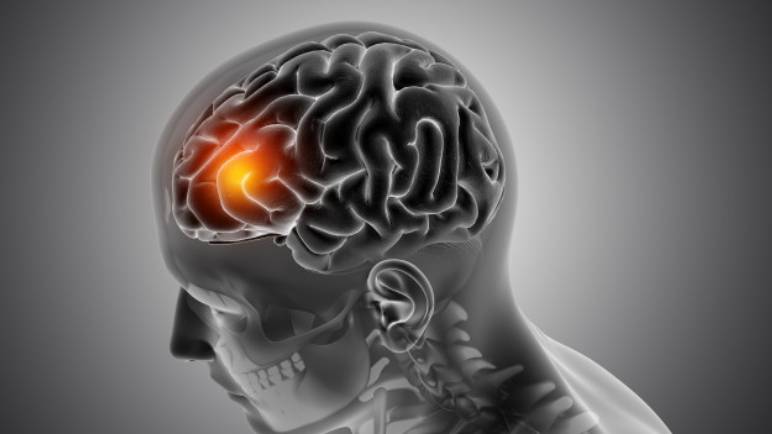
A stroke or brain attack is a condition in which the brain cells suddenly die due to a lack of oxygen. It can be caused by an obstruction in the blood flow or the rupture of an artery that feeds the brain. The patient may suddenly lose the ability to speak, there may be memory problems, or one side of the body can become paralysed.
Stroke is the second common cause of death and the fourth leading cause of disability worldwide. Approximately 20 million people each year suffer from stroke, 5 million of whom do not survive.
There are two kinds of strokes :
Ischemic Stroke – It accounts for about three-quarters (or 80%) of all strokes and occurs when a blood clot (or thrombus) forms and blocks blood flow to part of the brain. If a blood clot forms somewhere in the body and breaks off to become free-floating, it is called an embolus. This wandering clot may be carried through the bloodstream to the brain where it can cause an Ischemic Stroke.
Haemorrhagic Stroke – It occurs when a blood vessel on the brain’s surface ruptures and fills the space between the brain and skull with blood (subarachnoid haemorrhage) or when a defective artery in the brain bursts and fills the surrounding tissue with blood (cerebral haemorrhage). 20% of stroke cases are haemorrhagic.
Many stroke patients are left with weakness on one or both sides of the body, experience difficulty speaking, incontinence, loss of speech or thinking, inability to walk or are rendered bedridden. Early action can minimize brain damage and potential complications.